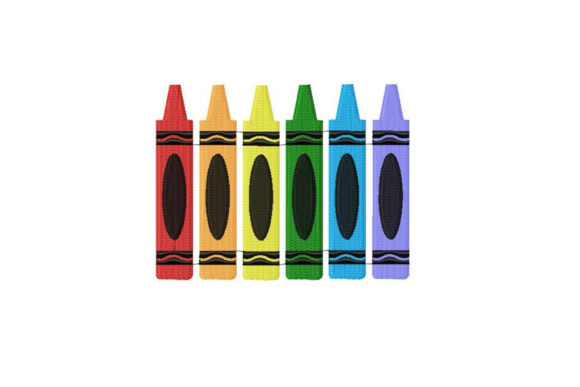
Tick Boxes Embroidery Design Review
As an experienced embroidery designer, I’ve evaluated countless machine embroidery designs for small business merch, branded patches, and custom apparel. One design that stands out is Tick Boxes, a versatile and visually engaging embroidery file perfect for a variety of commercial applications. With its clean, structured layout and playful appeal, this design has the potential to elevate brand identity across multiple product types.
First Impression: Professional and Playful
The Tick Boxes design exudes a sense of professionalism while maintaining a friendly, approachable vibe. Its bold lines and clear structure make it ideal for school-related merchandise, but it also works well for boutique shops, handmade brands, and creative studios. The design feels modern and adaptable, making it suitable for both casual and more formal settings. Whether used as a chest logo or a sleeve detail, it adds visual interest without overwhelming the garment.
This embroidery file is especially effective when paired with a checklist or numbered list, giving it a fun and interactive element. It’s a great choice for businesses looking to add a unique touch to their custom apparel, tote bags, or product labels.
Real Business Use: Versatile and Practical
Tick Boxes performs well in real-world business scenarios. As an embroidered patch, it can be applied to staff uniforms, aprons, or caps, offering a subtle yet recognizable brand presence. For small business merch, it serves as a strong visual accent on tote bags, work shirts, and even product packaging. Its simplicity makes it easy to incorporate into a broader design strategy, ensuring visual consistency across all branded items.
When used as a cap embroidery or apron embroidery, the design remains legible and appealing. It also works well as a tote bag design, adding a professional touch to promotional items or customer gifts. For Etsy sellers and craft businesses, this embroidery file can be a valuable addition to their digital embroidery file collection, helping them create high-quality handmade products that stand out in a competitive market.
One of the key advantages of Tick Boxes is its adaptability. It can be scaled up or down depending on the application, making it suitable for both large and small patches. However, care must be taken when using it on curved surfaces or in areas with limited space, as the design may become distorted if not properly adjusted.
Where to Use With Caution
While Tick Boxes is a solid design, there are certain situations where it may not perform as well. On small patch sizes, the details may become too cramped, reducing visibility and impact. Similarly, on cap fronts or other curved surfaces, the design might not lie flat or maintain its intended shape without proper adjustment.
High stitch density can also be an issue if the design is not optimized for the fabric type. Textured fabrics may cause the embroidery to look uneven or less defined. Dark uniforms could also pose a challenge, as the thread colors may not contrast sufficiently. It’s important to test the design on different fabric textures before finalizing any production run.
For businesses that require frequent washing, it’s advisable to use a stabilizer and ensure proper hoop size to prevent distortion. This will help maintain the integrity of the finished product and extend the life of the embroidered item.
Impact on Brand Identity and Customer Trust
Tick Boxes can play a significant role in shaping a business’s brand identity. When used consistently across merchandise, it reinforces recognition and creates a cohesive visual language. This is especially important for small business owners who rely on visual cues to build trust and loyalty among customers.
As a branded patch or embroidered logo, this design adds a level of professionalism to custom apparel and product labels. It also enhances the perceived value of handmade products, making them more appealing to buyers looking for quality and uniqueness. By incorporating Tick Boxes into their design assets, businesses can create a stronger connection with their audience and improve buyer engagement.
For commercial embroidery projects, this design offers a reliable and stylish option that aligns with modern trends. Whether used for event merch, boutique merchandise, or printable mockups, it provides a consistent and professional finish that meets industry standards.
Embroidery Designer Notes: Best Practices
Before using Tick Boxes in a commercial setting, I recommend testing it in black and white first to assess how it looks on different fabrics. Check if it works at small patch sizes and review thread color contrast to ensure visibility. Inspect spacing and confirm the hoop size required for the design to avoid any issues during production.
Testing on real fabric is essential to see how the design interacts with the material. Using the right stabilizer will help maintain the quality of the finished product, especially on textured or stretchy fabrics. Creating a printable mockup for client approval ensures that the design meets expectations before mass production begins.
Compare Tick Boxes with other design assets to see how it fits into your overall branding strategy. Finally, always confirm the commercial licensing terms before using the embroidery file for business purposes. This ensures that you have the rights to produce and sell items featuring the design without legal complications.