Low Battery Embroidery Design Review
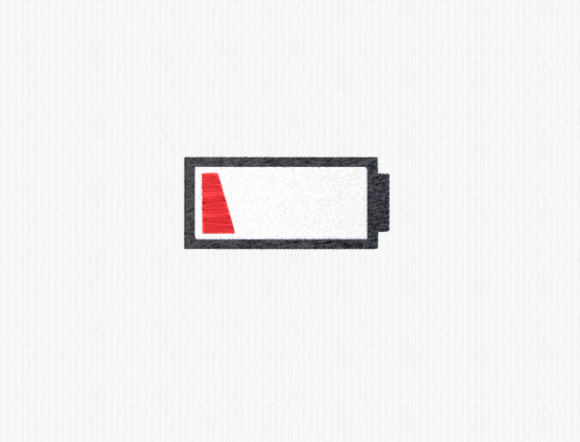
The Low Battery embroidery design offers a unique and modern visual that can enhance a variety of small business merch, branded patches, and custom apparel. As an experienced embroidery designer, I’ve evaluated how this machine embroidery design performs in real-world applications, particularly for businesses looking to add a fun and eye-catching element to their product line.
First Impression: Modern and Playful
From the first glance, the Low Battery design feels contemporary and slightly playful. It’s not overly complex, but it carries a sense of familiarity that makes it approachable. The design seems ideal for brands aiming to communicate a lighthearted or tech-savvy vibe. Whether used as a chest logo, sleeve detail, or cap embroidery, it has the potential to stand out without being overwhelming.
This design could work well in school-related merchandise, especially for student clubs, tech-focused groups, or creative programs. Its simplicity also makes it versatile for handmade products, where a clean and minimal look is often preferred.
Real Business Use: Versatile and Functional
The Low Battery embroidery design is suitable for a wide range of small business merch, including tote bags, aprons, caps, and work shirts. Its size and structure make it adaptable to different fabric types and garment styles. For example, when used as an embroidered patch on a staff uniform, it adds a subtle yet recognizable brand identity element.
As a chest logo accent, it can be paired with other design assets to create a cohesive look. In a boutique setting, it could serve as a standout feature on product packaging or customer gifts. For Etsy sellers and craft businesses, it’s a great addition to printable mockups, helping to showcase the finished product before production.
When used on a tote bag design or apron embroidery, the Low Battery symbol can reinforce a brand’s personality. It’s particularly effective for businesses targeting younger demographics or those with a tech-oriented theme.
Where to Use With Caution
While the Low Battery design is generally effective, there are certain scenarios where it may not perform as well. On small patch sizes, the details might become too compressed, making the design less legible. Similarly, on curved surfaces like cap fronts, the design may require slight adjustments to maintain its intended shape and clarity.
High stitch density can cause the design to appear too busy, especially on dark uniforms or textured fabrics. Tiny lettering or detailed outlines may not translate well to smaller scales, so it’s important to test the embroidery file at various sizes before finalizing production.
For commercial embroidery projects, ensuring proper stabilizer use is key. This helps prevent puckering or distortion, especially on delicate or stretchy materials. Always review thread colors for contrast and check spacing to ensure the design looks clean and professional.
Impact on Brand Identity and Customer Perception
The Low Battery design can contribute to a brand’s overall identity by reinforcing a specific aesthetic or message. When used consistently across small business merch, it helps build recognition and trust. A well-executed embroidered patch or cap embroidery can elevate the perceived value of a product, making it more appealing to customers.
For handmade products, the design adds a polished touch without compromising the artisanal feel. It can also enhance buyer engagement by offering a visually interesting element that stands out in a crowded market. When used on product labels or event merch, it serves as a memorable visual cue that strengthens brand recall.
Visual consistency is crucial for any business, and the Low Battery design can help maintain that across different items. Whether it's on a tote bag design or a custom apparel piece, it should align with the brand’s existing style guide and messaging.
Practical Designer Notes for Success
Before using the Low Battery embroidery design, I recommend testing it in black and white to assess how it appears on different fabric colors. Check if it works at small patch sizes and confirm that the thread colors provide enough contrast. Pay attention to spacing between elements to avoid overcrowding the design.
Review the hoop size required for the design and ensure your equipment can accommodate it. Test the design on real fabric to see how it behaves during the embroidery process. Using the right stabilizer is essential, especially for delicate or stretchy materials.
Creating a printable mockup for client approval is a smart step, allowing them to visualize the finished product before production. Compare the Low Battery design with other design assets to ensure it fits within the brand’s overall look. Finally, always confirm commercial licensing before using the embroidery file for business purposes.
Conclusion: A Smart Choice for Creative Brands
The Low Battery embroidery design is a valuable asset for small businesses, embroidery shops, and crafters looking to add a modern and functional element to their product offerings. Its versatility allows it to be used across a range of applications, from apron embroidery to tote bag design, while its simple yet eye-catching style supports strong brand identity.
With careful consideration of scale, fabric type, and placement, this machine embroidery design can become a standout feature in any custom apparel or branded merchandise project. Whether used as a patch, logo, or decorative element, it has the potential to enhance both the visual appeal and commercial success of a business.