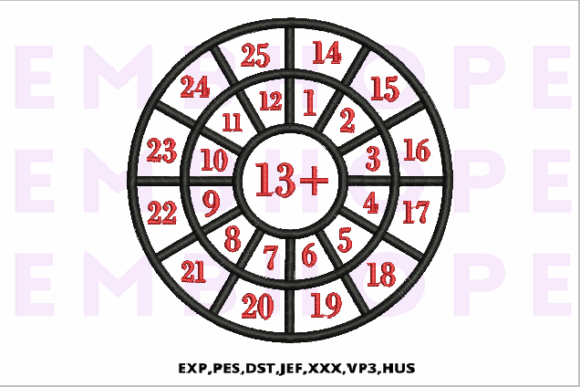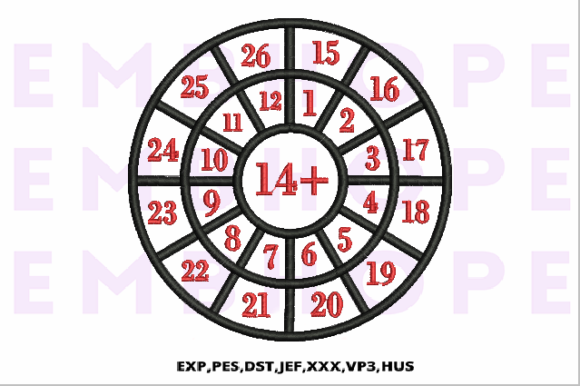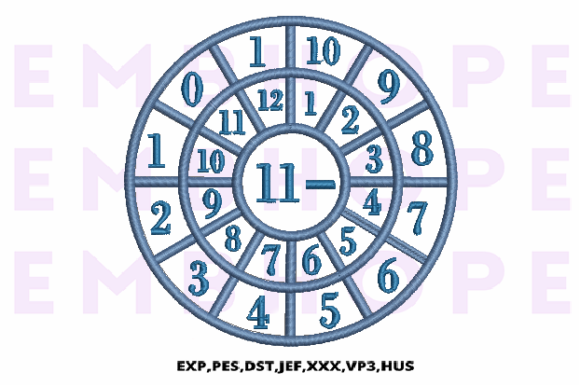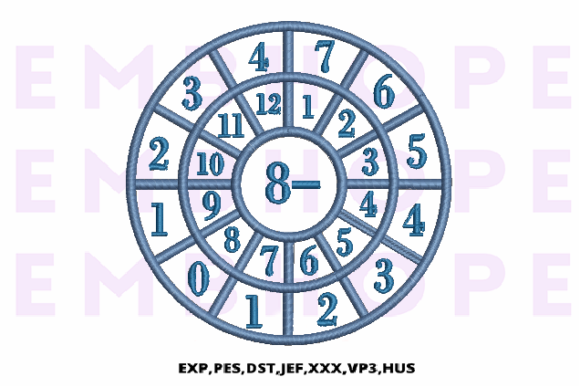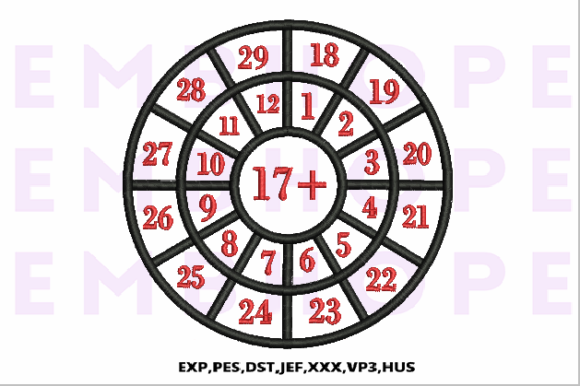
Addition Wheel 17 Embroidery Design
As an embroidery designer with years of experience in crafting unique and marketable designs, I’ve had the chance to evaluate a wide range of machine embroidery designs. One that stands out for its potential in craft fair and handmade markets is Addition Wheel 17. This design has a playful, educational vibe that could translate well into a variety of products, especially those aimed at schools and families.
First Impressions: Bright, Fun, and Educational
Addition Wheel 17 immediately catches the eye with its bright and cheery aesthetic. The design feels modern yet approachable, making it ideal for classroom use or as a learning tool for kids. It doesn’t lean too heavily into the farmhouse or rustic styles—it’s more of a clean, colorful, and engaging design that would work well on a variety of fabrics and products.
The overall mood is upbeat and educational, which aligns perfectly with its intended purpose of encouraging children to practice math. This makes it a great fit for school-related items, but also for general handmade products that appeal to parents looking for creative, functional gifts.
Where Addition Wheel 17 Shines
This design excels on a range of craft fair products. On a tote bag design, it adds a pop of color and personality that draws attention. As an apron embroidery, it can be placed on the front or back, offering both visual interest and a subtle educational message. For tea towel embroidery, it could serve as a fun kitchen accessory that sparks conversation.
On embroidered patches, fabric pouches, and caps, the design maintains its charm without overwhelming the item. It’s also a strong candidate for pillow covers and market bags, where its bold colors can make a statement. For handmade gifts, it offers a unique, thoughtful touch that appeals to both kids and adults.
Practical Selling and Production Considerations
One of the key factors for any craft fair product is how easy it is to produce in bulk. Addition Wheel 17 appears to be a design that can be adapted to different sizes, making it versatile for both small accents and larger focal points. However, the design’s complexity may require attention to stitch density and thread colors to ensure clarity, especially when scaled down.
Photographing this design for online listings, such as those used by Etsy sellers or digital embroidery file providers, should be straightforward. Its bright colors and clear structure will translate well in images, helping to showcase its appeal. For small shop products, it’s important to test the design on different fabric textures—especially thick fabric or textured towels—to ensure it remains visible and legible.
Careful-Use Notes for Embroidery Designers
While Addition Wheel 17 is visually appealing, there are some practical considerations to keep in mind. If the design includes tiny details or small lettering, it may not hold up well on curved surfaces like caps or curved cap surfaces. Similarly, on dark fabric, the design might need a contrasting thread color to stand out effectively.
For commercial embroidery projects, it’s essential to check the hoop size required for the design and confirm that it works within your available space. Using the right stabilizer will help prevent puckering or distortion, especially on delicate or stretchy fabrics.
Impact on Visual Appeal and Customer Engagement
In a busy craft fair booth, Addition Wheel 17 has the potential to catch the eye of parents, teachers, and even kids. Its bright colors and educational theme make it stand out among other designs, especially when displayed on booth samples or printable mockups. This can lead to increased customer engagement and more opportunities for sales.
When used consistently across multiple products, it can also help reinforce brand consistency, especially for handmade shops or boutique makers who want to maintain a cohesive look. Its presence on items like embroidered patches or small pouches can add value to the finished product, making it more desirable to buyers looking for unique, quality-made items.
Embroidery Designer Tips for Success
If you’re planning to turn Addition Wheel 17 into a craft fair product, here are a few steps to take:
- Test the design on scrap fabric to see how it looks in different lighting and on various materials.
- Check thread contrast to ensure the design is visible on the intended fabric color.
- Review spacing to avoid overcrowding, especially if using the design as a large focal point.
- Confirm hoop size to ensure it fits your embroidery machine.
- Inspect stitch density to avoid areas that may become too dense or lose detail.
- Use the right stabilizer for the fabric type to maintain quality and durability.
- Create at least one real mockup to see how the design looks in person before mass production.
- Compare fabric colors to find the best match for your target audience.
- Confirm commercial licensing before selling finished products to avoid legal issues.
By taking these steps, you can ensure that Addition Wheel 17 becomes a successful addition to your handmade product lineup, whether you're setting up a weekend craft fair booth or expanding your Etsy store.