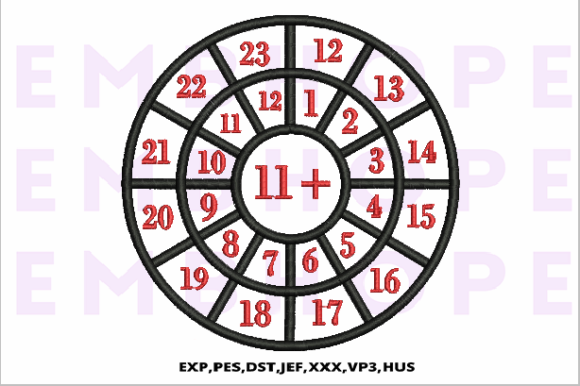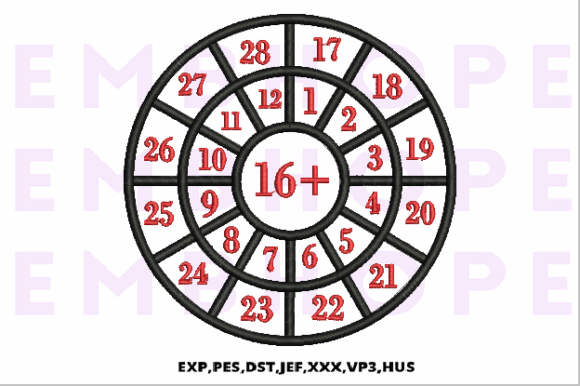
Addition Wheel 16 Review
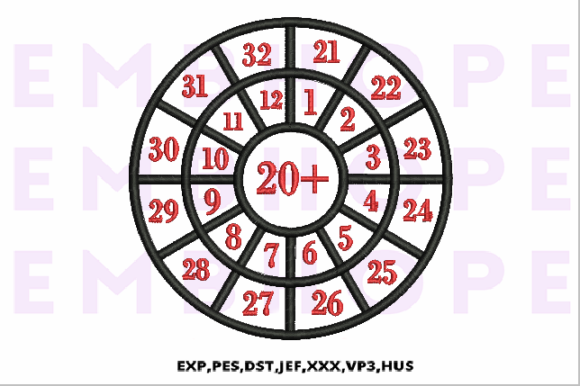
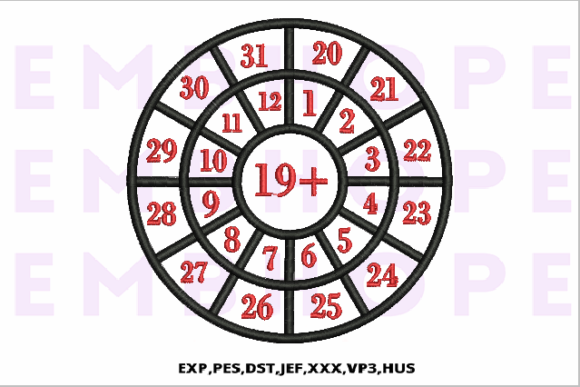
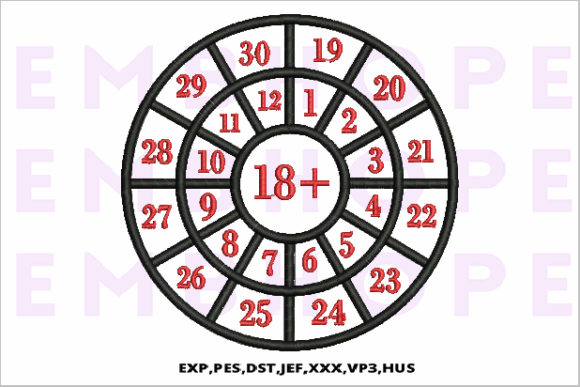
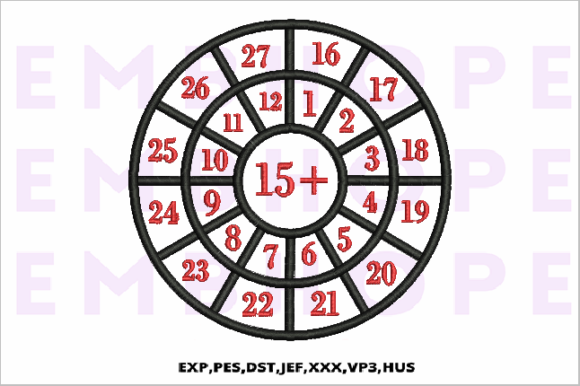
The Addition Wheel 16 is a vibrant and engaging machine embroidery design ideal for small business merch, branded patches, and educational-themed custom apparel. Its playful yet professional aesthetic makes it a versatile choice for businesses looking to add a touch of fun while maintaining a polished brand identity.
First Impressions: A Design That Balances Fun and Professionalism
From the first glance, Addition Wheel 16 exudes a friendly and cheerful vibe. The bright colors and simple, circular layout suggest a design meant to engage children, but its clean lines and structured format also give it a sense of professionalism. This duality makes it suitable for both classroom settings and commercial use in small businesses that want to convey approachability without sacrificing quality.
The design’s bold outlines and clear typography ensure visibility even at smaller sizes, which is crucial for embroidered patches and cap fronts. It feels modern yet timeless, making it a strong candidate for small business merch that needs to stand out while remaining visually consistent with other brand assets.
Real-World Business Use: From Patches to Tote Bags
Addition Wheel 16 shines in a variety of business applications. As an embroidered patch, it can be used on staff uniforms, aprons, or caps to create a cohesive look that reinforces brand identity. Its size and simplicity make it ideal for sleeve details, chest logos, or even as a decorative element on tote bags and work shirts.
For small businesses like cafes, boutiques, or handmade shops, this design can serve as a unique product label or customer gift. When applied to tote bags, it adds a personalized touch that customers are likely to appreciate and display. In a creative studio or bakery, it could be used as a branding element on apron embroidery or event merchandise.
As a digital embroidery file, Addition Wheel 16 offers flexibility for custom apparel and printable mockups. Its adaptability allows it to fit into various design assets, making it a valuable addition to any embroidery shop’s library.
Where to Use With Caution: Key Considerations for Embroidery Designers
While Addition Wheel 16 is generally well-suited for most embroidery applications, there are a few areas where caution is advised. At very small patch sizes, the intricate details may not translate well, so testing at reduced scales is essential. Similarly, curved surfaces like cap fronts may require adjustments to maintain the design’s integrity.
The design’s stitch density and detailed outlines could pose challenges on textured fabrics or dark uniforms, where the contrast might be less visible. It’s important to review thread colors carefully to ensure they stand out against the fabric. High stitch density may also require additional stabilizer to prevent puckering or distortion during the embroidery process.
Business owners should also consider how often the finished product will be washed, as frequent laundering may affect the longevity of the design. For items that see heavy use, such as aprons or work shirts, reinforcing the embroidery with proper stabilizer is recommended.
Impact on Brand Identity and Customer Engagement
Addition Wheel 16 can significantly enhance brand identity when used strategically. Its visual appeal helps build customer trust and recognition, especially when consistently applied across different merchandise. Whether as a patch on a boutique’s packaging or a logo on a tote bag, it creates a sense of professionalism and creativity that aligns with the values of many small businesses.
For handmade brands or Etsy sellers, this design offers a way to elevate the presentation of their products. When paired with high-quality fabric and proper embroidery techniques, it can increase the perceived value of a product and encourage repeat purchases. Its playful nature also helps attract attention, making it a great tool for buyer engagement and social media promotion.
Practical Tips for Embroidery Designers and Small Business Owners
To get the best results with Addition Wheel 16, start by testing the design in black and white to assess its clarity and contrast. Check how it looks at small patch sizes and confirm that the spacing and proportions remain consistent. Review the thread colors to ensure they complement the fabric and don’t fade easily.
Confirm the hoop size required for the design and test it on real fabric before finalizing production. Using the right stabilizer is critical, especially for delicate or stretchy materials. Creating a printable mockup for client approval can help manage expectations and ensure satisfaction with the finished product.
Before using Addition Wheel 16 for commercial embroidery projects, verify the licensing terms to avoid any legal issues. Compare it with other design assets to ensure it fits within your overall brand strategy. By following these steps, you can maximize the effectiveness of this embroidery file in your small business merch and custom apparel offerings.